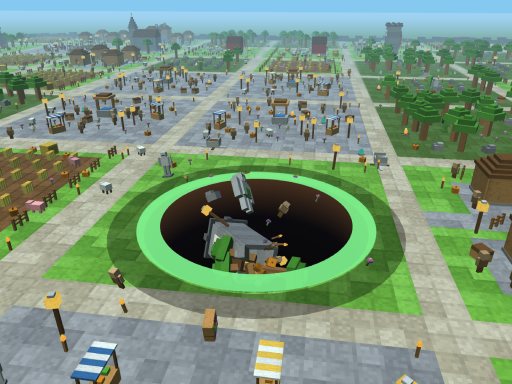

Dig Drop Merge works best when each attempt is treated as a readable sequence instead of a random restart. The game is a merge and dig arcade game about buying tools, combining matching tools, dropping stronger tools into a mine, breaking blocks, collecting coins, and upgrading permanent power, so improvement comes from watching the first screen, choosing a safe first action, and adding speed only after the pattern is clear. In Dig Drop Merge, a calm opening gives you time to see hazards, rewards, timing windows, and recovery choices. Use Dig Drop Merge as a practice loop: name the pressure, make one adjustment, and test whether the next run becomes cleaner.
Play Dig Drop Merge on HeyFun before reading the route below, then return to compare each Dig Drop Merge decision with the live game page.
Why This Game Needs a Plan
Main Appeal
Dig Drop Merge rewards players who slow the first attempt down enough to understand the screen. Start Dig Drop Merge by reading the objective, the safest route, the first risk, and the recovery option. When Dig Drop Merge becomes busy, keep the current goal small: protect space, preserve control, and avoid moves that create a bigger problem. A useful Dig Drop Merge habit is to review one mistake after every run, then replay Dig Drop Merge with one precise fix instead of changing everything at once. This keeps Dig Drop Merge practical, measurable, and easier to improve.
Best Player Fit
Dig Drop Merge rewards players who slow the first attempt down enough to understand the screen. Start Dig Drop Merge by reading the objective, the safest route, the first risk, and the recovery option. When Dig Drop Merge becomes busy, keep the current goal small: protect space, preserve control, and avoid moves that create a bigger problem. A useful Dig Drop Merge habit is to review one mistake after every run, then replay Dig Drop Merge with one precise fix instead of changing everything at once. This keeps Dig Drop Merge practical, measurable, and easier to improve.
Core Loop and First Route
Opening Read
Dig Drop Merge rewards players who slow the first attempt down enough to understand the screen. Start Dig Drop Merge by reading the objective, the safest route, the first risk, and the recovery option. When Dig Drop Merge becomes busy, keep the current goal small: protect space, preserve control, and avoid moves that create a bigger problem. A useful Dig Drop Merge habit is to review one mistake after every run, then replay Dig Drop Merge with one precise fix instead of changing everything at once. This keeps Dig Drop Merge practical, measurable, and easier to improve.
Stable Cycle
Dig Drop Merge rewards players who slow the first attempt down enough to understand the screen. Start Dig Drop Merge by reading the objective, the safest route, the first risk, and the recovery option. When Dig Drop Merge becomes busy, keep the current goal small: protect space, preserve control, and avoid moves that create a bigger problem. A useful Dig Drop Merge habit is to review one mistake after every run, then replay Dig Drop Merge with one precise fix instead of changing everything at once. This keeps Dig Drop Merge practical, measurable, and easier to improve.
Beginner Priorities and Mistakes
First Priorities
Dig Drop Merge rewards players who slow the first attempt down enough to understand the screen. Start Dig Drop Merge by reading the objective, the safest route, the first risk, and the recovery option. When Dig Drop Merge becomes busy, keep the current goal small: protect space, preserve control, and avoid moves that create a bigger problem. A useful Dig Drop Merge habit is to review one mistake after every run, then replay Dig Drop Merge with one precise fix instead of changing everything at once. This keeps Dig Drop Merge practical, measurable, and easier to improve.
Common Mistakes
Dig Drop Merge rewards players who slow the first attempt down enough to understand the screen. Start Dig Drop Merge by reading the objective, the safest route, the first risk, and the recovery option. When Dig Drop Merge becomes busy, keep the current goal small: protect space, preserve control, and avoid moves that create a bigger problem. A useful Dig Drop Merge habit is to review one mistake after every run, then replay Dig Drop Merge with one precise fix instead of changing everything at once. This keeps Dig Drop Merge practical, measurable, and easier to improve.
Advanced Strategy and Risk Control
Tempo Control
Dig Drop Merge rewards players who slow the first attempt down enough to understand the screen. Start Dig Drop Merge by reading the objective, the safest route, the first risk, and the recovery option. When Dig Drop Merge becomes busy, keep the current goal small: protect space, preserve control, and avoid moves that create a bigger problem. A useful Dig Drop Merge habit is to review one mistake after every run, then replay Dig Drop Merge with one precise fix instead of changing everything at once. This keeps Dig Drop Merge practical, measurable, and easier to improve.
Recovery Plan
Dig Drop Merge rewards players who slow the first attempt down enough to understand the screen. Start Dig Drop Merge by reading the objective, the safest route, the first risk, and the recovery option. When Dig Drop Merge becomes busy, keep the current goal small: protect space, preserve control, and avoid moves that create a bigger problem. A useful Dig Drop Merge habit is to review one mistake after every run, then replay Dig Drop Merge with one precise fix instead of changing everything at once. This keeps Dig Drop Merge practical, measurable, and easier to improve.
Final Review Checklist
Control Check
Dig Drop Merge rewards players who slow the first attempt down enough to understand the screen. Start Dig Drop Merge by reading the objective, the safest route, the first risk, and the recovery option. When Dig Drop Merge becomes busy, keep the current goal small: protect space, preserve control, and avoid moves that create a bigger problem. A useful Dig Drop Merge habit is to review one mistake after every run, then replay Dig Drop Merge with one precise fix instead of changing everything at once. This keeps Dig Drop Merge practical, measurable, and easier to improve.
Review Questions
Dig Drop Merge rewards players who slow the first attempt down enough to understand the screen. Start Dig Drop Merge by reading the objective, the safest route, the first risk, and the recovery option. When Dig Drop Merge becomes busy, keep the current goal small: protect space, preserve control, and avoid moves that create a bigger problem. A useful Dig Drop Merge habit is to review one mistake after every run, then replay Dig Drop Merge with one precise fix instead of changing everything at once. This keeps Dig Drop Merge practical, measurable, and easier to improve.
Practice Notes
Session Notes
Dig Drop Merge rewards players who slow the first attempt down enough to understand the screen. Start Dig Drop Merge by reading the objective, the safest route, the first risk, and the recovery option. When Dig Drop Merge becomes busy, keep the current goal small: protect space, preserve control, and avoid moves that create a bigger problem. A useful Dig Drop Merge habit is to review one mistake after every run, then replay Dig Drop Merge with one precise fix instead of changing everything at once. This keeps Dig Drop Merge practical, measurable, and easier to improve.
Route Adjustment
Dig Drop Merge rewards players who slow the first attempt down enough to understand the screen. Start Dig Drop Merge by reading the objective, the safest route, the first risk, and the recovery option. When Dig Drop Merge becomes busy, keep the current goal small: protect space, preserve control, and avoid moves that create a bigger problem. A useful Dig Drop Merge habit is to review one mistake after every run, then replay Dig Drop Merge with one precise fix instead of changing everything at once. This keeps Dig Drop Merge practical, measurable, and easier to improve.
Controls Focus
Use the left mouse button or tap to drag tools, drop matching tools onto each other to merge them, move tools into empty slots, use the trash button, buy new tools, and press Drop to start digging. Treat these inputs as a Dig Drop Merge checklist: learn safe movement first, then recovery timing, then faster decisions.
Dig Drop Merge becomes more useful when every session leaves one lesson, one safer route, and one specific adjustment for the next attempt.