

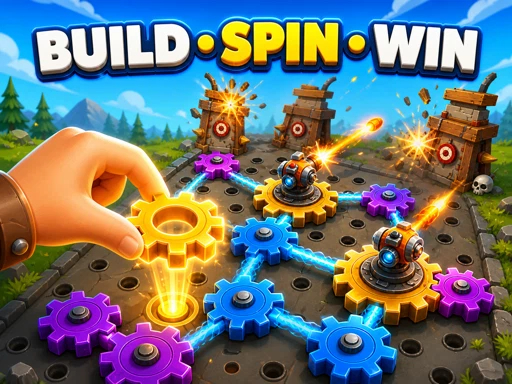
Gear Fight combines a clear browser-game loop with decisions that become easier to improve when they are reviewed separately. Play Gear Fight while reading, test one section at a time, and compare each recommendation with the current build. The game facts and embed URL come from the GameMonetize newest HTML5 publisher feed, which lists Gear Fight for publisher distribution.
Read the Battle Board
Identify Lanes and Pressure
Gear Fight begins before the wave starts. Inspect where enemies enter, which spaces can cover that route, and where a fragile unit can remain protected. Gear Fight should use the first stage to learn pressure rather than filling every slot immediately. A simple formation makes it easier to see which gear attacks, which troop holds the line, and where coverage disappears. Leave one movable space if the board allows it so the formation can respond after the first result. This board read gives Gear Fight a testable plan instead of a collection of unrelated pieces.
Give Every Piece a Role
Every placed item should answer a specific need. In Gear Fight, one piece may provide damage, another may protect the front, and another may connect a useful combination. Do not spend resources on a unit whose role duplicates an already stable position while another lane remains weak. Gear Fight becomes easier to improve when each piece has a reason to stay. After a wave, ask whether it performed that role and whether a cheaper placement could do the same job. Clear roles keep Gear Fight formations readable as stronger gears and troops unlock.
Build a Stable Formation
Protect Damage Sources
High damage has little value when the source is exposed and removed before it can act. Gear Fight should place durable or less critical pieces where they can absorb early pressure while attack units cover from safer positions. Watch the first enemy contact and note which unit becomes the target. If Gear Fight loses the same attacker early, adjust protection before buying more damage. Moving one piece can improve survival without any upgrade cost. A protected formation lets Gear Fight use its full battle time and reveals whether the current damage level is actually sufficient.
Cover the Whole Route
A powerful cluster can still fail when enemies bypass it. Gear Fight needs enough coverage across the active route, not only the highest local damage number. Place gears so their useful area overlaps at important approach points without leaving a silent lane. During the wave, watch where enemies travel without taking pressure. Gear Fight should fix that gap with placement first and spending second. If moving one unit covers the route, save the reward for a later bottleneck. Balanced coverage keeps Gear Fight from losing to a weakness that raw upgrades cannot reach.
Use Wave Evidence
Watch the First Breakdown
The final defeat screen does not explain the whole battle. Gear Fight should identify the first meaningful breakdown: a front unit falls, one lane leaks, damage arrives too late, or a combination stops supporting the formation. That moment usually causes the later collapse. Replay Gear Fight with the same setup and change one element near the first breakdown. A clean comparison shows whether the adjustment solved the real problem. Watching evidence rather than only outcomes turns Gear Fight waves into useful tests and prevents expensive guesses between stages.
Change One Variable
Placement, troop choice, gear level, and formation size all affect a result. Gear Fight becomes impossible to read when all four change after every loss. Keep the last stable setup, select one hypothesis, and adjust only the related piece. Run Gear Fight again under similar conditions and compare survival time, leaked enemies, and damage coverage. If the change helps, keep it before testing another idea. If it does not, restore the previous version. This one-variable method gives Gear Fight a dependable path from weak formation to stronger machine.
Spend Rewards Carefully
Upgrade Proven Pieces
Rewards should strengthen a piece that has already shown value. In Gear Fight, an active gear with good coverage is usually a safer upgrade than a new item with no clear position. Confirm that the current piece attacks often, supports the intended combination, and survives long enough to matter. Gear Fight can then invest with a measurable expectation. Avoid distributing small upgrades across every unit when one bottleneck controls the stage. Concentrated spending helps Gear Fight cross a specific threshold and leaves the effect visible in the next wave.
Unlock Without Breaking Balance
A stronger troop or gear is an option, not an automatic replacement. Gear Fight should test a new unlock in one position while preserving the rest of a familiar formation. Observe whether it changes coverage, protection, timing, or resource needs. If the new piece forces several other units into worse positions, the nominal power increase may not help. Gear Fight benefits from unlocks that fit the whole machine. Keep the previous piece available until the comparison is clear. This cautious test lets Gear Fight grow without sacrificing a stable route for novelty.
Fix Common Mistakes
Do Not Overfill the Board
Filling every open slot can hide weak placement and consume rewards before the stage reveals its real demand. Gear Fight should begin with enough pieces to cover the route and keep room for a purposeful response. Extra units can also separate gears that need to connect or push protection away from a valuable attacker. If Gear Fight wins early waves comfortably, save rather than adding clutter. A smaller readable formation is easier to repair. Controlled space gives Gear Fight flexibility when a new enemy pattern appears and makes every later purchase intentional.
Recover from a Failed Wave
After a loss, return to the last formation that handled the previous pressure reliably. Gear Fight should not sell, move, and upgrade everything in frustration. Identify the earliest leak or collapse, then choose one response: stronger protection, wider coverage, earlier damage, or a better combination. Run Gear Fight again and watch that exact moment. If the same problem remains, test a different cause instead of stacking more changes. A disciplined recovery preserves useful work and keeps Gear Fight progress connected from one wave to the next.
Use a Repeatable Checklist
Before Starting a Wave
Before pressing battle in Gear Fight, name the role of every piece, confirm coverage of the main route, and identify the unit that needs protection. Check whether the next upgrade solves a known weakness or merely raises a number. Gear Fight should enter the wave with one observation goal, such as watching the front contact or measuring a new gear's coverage. Leave the formation unchanged once the test begins. This brief checklist gives Gear Fight a clear experiment and makes the outcome useful even when the wave is lost.
After the Battle
After Gear Fight, record the first breakdown, the most reliable piece, and the next single adjustment. Compare the result with the previous wave under similar conditions. Gear Fight progress is easier to see when survival, leaks, and coverage improve for a known reason. Keep combinations that support several units, move pieces that rarely act, and delay purchases without a defined role. A concise review closes the strategy loop. Across repeated stages, Gear Fight becomes stronger through evidence, balanced placement, and upgrades that answer real battlefield pressure.
Open Gear Fight with one observation goal, keep the conditions stable, and use the result to define the next small change. That approach makes Gear Fight easier to learn without turning a short browser session into guesswork.
For a longer formation review, draw a simple mental map of the board before spending rewards. Mark the entry route, the first contact point, the safest attack position, and any space that can connect several useful gears. Then watch one wave without focusing on the final score. Follow the first enemy until it is defeated or escapes, and note every unit that contributes. A piece that rarely attacks may be badly placed even if its displayed level is high. Repeat the observation for the first enemy that breaks through. This comparison reveals whether the weakness is coverage, timing, durability, or damage. Keep enough currency in reserve when the next stage is unknown; an unused balance can answer a new pressure pattern, while an unnecessary purchase cannot be recovered easily. When testing an unlock, place it in a role already understood and compare it against the piece it replaces. End the review with one board change and one expected result, such as earlier contact, fewer leaks, or longer survival for the protected attacker.