
Hazard Pay becomes easier to understand when every attempt has one purpose. Hazard Pay rewards observation before speed, because the current screen already shows the objective, hazards, safe space, and next decision. Keep the playable page open beside this guide and compare the advice with the live build. Hazard Pay was checked through a direct publisher iframe that returned HTTP 200 and rendered a real game screen in Chrome. This guide uses the listed controls and visible mechanics; it does not invent upgrades, enemies, or shortcuts. Use Hazard Pay to test one route, record the first failure, and return with one correction.
Start With Verified Rules
Define the Real Objective
Hazard Pay applies this verified rule: the factory uses vanishing floors, retreating doors, and landing spikes to punish untested assumptions. Before acting in Hazard Pay, connect the rule to “Define the Real Objective”; Hazard Pay keeps one recovery option visible. A measured Hazard Pay run changes one decision and reads the result. If feedback is unclear, Hazard Pay protects space and recoverability. After failure, Hazard Pay records the first broken step, not the final animation. Repeat Hazard Pay in equivalent conditions; when Hazard Pay succeeds twice, add pace or risk.
Separate Facts From Assumptions
Hazard Pay applies this verified rule: 60 handcrafted shifts turn each revealed trap into route knowledge that remains useful after a restart. Before acting in Hazard Pay, connect the rule to “Separate Facts From Assumptions”; Hazard Pay keeps one recovery option visible. A measured Hazard Pay run changes one decision and reads the result. If feedback is unclear, Hazard Pay protects space and recoverability. After failure, Hazard Pay records the first broken step, not the final animation. Repeat Hazard Pay in equivalent conditions; when Hazard Pay succeeds twice, add pace or risk.
Read the Complete Play Area
Locate Stops and Hazards
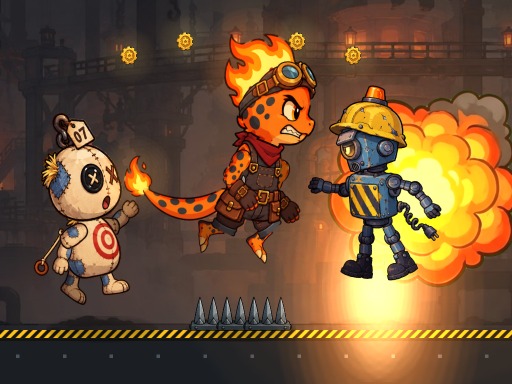
Hazard Pay applies this verified rule: Cinder wall-jumps, Pip double-jumps, and Rivet hovers and scans, so worker choice changes the route. Before acting in Hazard Pay, connect the rule to “Locate Stops and Hazards”; Hazard Pay keeps one recovery option visible. A measured Hazard Pay run changes one decision and reads the result. If feedback is unclear, Hazard Pay protects space and recoverability. After failure, Hazard Pay records the first broken step, not the final animation. Repeat Hazard Pay in equivalent conditions; when Hazard Pay succeeds twice, add pace or risk.
Protect the Return Route
Hazard Pay applies this verified rule: A or D and the Arrow keys move, the jump keys support variable height, and Down drops through thin platforms. Before acting in Hazard Pay, connect the rule to “Protect the Return Route”; Hazard Pay keeps one recovery option visible. A measured Hazard Pay run changes one decision and reads the result. If feedback is unclear, Hazard Pay protects space and recoverability. After failure, Hazard Pay records the first broken step, not the final animation. Repeat Hazard Pay in equivalent conditions; when Hazard Pay succeeds twice, add pace or risk.
Build a Reliable Opening
Choose a Conservative First Move
Hazard Pay applies this verified rule: R restarts the current room quickly, allowing one failed decision to be corrected without changing the whole plan. Before acting in Hazard Pay, connect the rule to “Choose a Conservative First Move”; Hazard Pay keeps one recovery option visible. A measured Hazard Pay run changes one decision and reads the result. If feedback is unclear, Hazard Pay protects space and recoverability. After failure, Hazard Pay records the first broken step, not the final animation. Repeat Hazard Pay in equivalent conditions; when Hazard Pay succeeds twice, add pace or risk.
Create a Repeatable Sequence
Hazard Pay applies this verified rule: earned hazard pay unlocks hats and trails, but cosmetics never replace accurate movement practice. Before acting in Hazard Pay, connect the rule to “Create a Repeatable Sequence”; Hazard Pay keeps one recovery option visible. A measured Hazard Pay run changes one decision and reads the result. If feedback is unclear, Hazard Pay protects space and recoverability. After failure, Hazard Pay records the first broken step, not the final animation. Repeat Hazard Pay in equivalent conditions; when Hazard Pay succeeds twice, add pace or risk.
Control Every Input
Use the Verified Controls
Hazard Pay applies this verified rule: a reliable attempt probes from confirmed ground, exposes one trigger, and executes the corrected jump on the next run. Before acting in Hazard Pay, connect the rule to “Use the Verified Controls”; Hazard Pay keeps one recovery option visible. A measured Hazard Pay run changes one decision and reads the result. If feedback is unclear, Hazard Pay protects space and recoverability. After failure, Hazard Pay records the first broken step, not the final animation. Repeat Hazard Pay in equivalent conditions; when Hazard Pay succeeds twice, add pace or risk.
Match Input Length to the Situation
Hazard Pay applies this verified rule: the factory uses vanishing floors, retreating doors, and landing spikes to punish untested assumptions. Before acting in Hazard Pay, connect the rule to “Match Input Length to the Situation”; Hazard Pay keeps one recovery option visible. A measured Hazard Pay run changes one decision and reads the result. If feedback is unclear, Hazard Pay protects space and recoverability. After failure, Hazard Pay records the first broken step, not the final animation. Repeat Hazard Pay in equivalent conditions; when Hazard Pay succeeds twice, add pace or risk.
Recover From Failure
Find the First Broken Decision
Hazard Pay applies this verified rule: 60 handcrafted shifts turn each revealed trap into route knowledge that remains useful after a restart. Before acting in Hazard Pay, connect the rule to “Find the First Broken Decision”; Hazard Pay keeps one recovery option visible. A measured Hazard Pay run changes one decision and reads the result. If feedback is unclear, Hazard Pay protects space and recoverability. After failure, Hazard Pay records the first broken step, not the final animation. Repeat Hazard Pay in equivalent conditions; when Hazard Pay succeeds twice, add pace or risk.
Change One Variable
Hazard Pay applies this verified rule: Cinder wall-jumps, Pip double-jumps, and Rivet hovers and scans, so worker choice changes the route. Before acting in Hazard Pay, connect the rule to “Change One Variable”; Hazard Pay keeps one recovery option visible. A measured Hazard Pay run changes one decision and reads the result. If feedback is unclear, Hazard Pay protects space and recoverability. After failure, Hazard Pay records the first broken step, not the final animation. Repeat Hazard Pay in equivalent conditions; when Hazard Pay succeeds twice, add pace or risk.
Plan Long-Term Progress
Spend Progress for a Measured Reason
Hazard Pay applies this verified rule: A or D and the Arrow keys move, the jump keys support variable height, and Down drops through thin platforms. Before acting in Hazard Pay, connect the rule to “Spend Progress for a Measured Reason”; Hazard Pay keeps one recovery option visible. A measured Hazard Pay run changes one decision and reads the result. If feedback is unclear, Hazard Pay protects space and recoverability. After failure, Hazard Pay records the first broken step, not the final animation. Repeat Hazard Pay in equivalent conditions; when Hazard Pay succeeds twice, add pace or risk.
Raise Difficulty Only After Consistency
Hazard Pay applies this verified rule: R restarts the current room quickly, allowing one failed decision to be corrected without changing the whole plan. Before acting in Hazard Pay, connect the rule to “Raise Difficulty Only After Consistency”; Hazard Pay keeps one recovery option visible. A measured Hazard Pay run changes one decision and reads the result. If feedback is unclear, Hazard Pay protects space and recoverability. After failure, Hazard Pay records the first broken step, not the final animation. Repeat Hazard Pay in equivalent conditions; when Hazard Pay succeeds twice, add pace or risk.
Review the Route
Confirm the Proven Sequence
Hazard Pay applies this verified rule: earned hazard pay unlocks hats and trails, but cosmetics never replace accurate movement practice. Before acting in Hazard Pay, connect the rule to “Confirm the Proven Sequence”; Hazard Pay keeps one recovery option visible. A measured Hazard Pay run changes one decision and reads the result. If feedback is unclear, Hazard Pay protects space and recoverability. After failure, Hazard Pay records the first broken step, not the final animation. Repeat Hazard Pay in equivalent conditions; when Hazard Pay succeeds twice, add pace or risk.
Next Session Checklist
Make the Next Attempt Measurable
Hazard Pay applies this verified rule: a reliable attempt probes from confirmed ground, exposes one trigger, and executes the corrected jump on the next run. Before acting in Hazard Pay, connect the rule to “Make the Next Attempt Measurable”; Hazard Pay keeps one recovery option visible. A measured Hazard Pay run changes one decision and reads the result. If feedback is unclear, Hazard Pay protects space and recoverability. After failure, Hazard Pay records the first broken step, not the final animation. Repeat Hazard Pay in equivalent conditions; when Hazard Pay succeeds twice, add pace or risk.
- Hazard Pay states the goal before the first input; Hazard Pay then checks the result and keeps the useful evidence.
- Hazard Pay reads the whole screen instead of following the nearest reward; Hazard Pay then checks the result and keeps the useful evidence.
- Hazard Pay keeps a safe stopping or recovery point; Hazard Pay then checks the result and keeps the useful evidence.
- Hazard Pay uses the verified control for a named purpose; Hazard Pay then checks the result and keeps the useful evidence.
- Hazard Pay changes one decision after failure; Hazard Pay then checks the result and keeps the useful evidence.
- Hazard Pay repeats equivalent attempts before judging a route; Hazard Pay then checks the result and keeps the useful evidence.
- Hazard Pay spends progress on the weakness seen in the last run; Hazard Pay then checks the result and keeps the useful evidence.
- Hazard Pay adds speed only after the opening is stable; Hazard Pay then checks the result and keeps the useful evidence.
- Hazard Pay protects the finish before chasing an optional reward; Hazard Pay then checks the result and keeps the useful evidence.
- Hazard Pay ends with one written correction for the next attempt; Hazard Pay then checks the result and keeps the useful evidence.
Open Hazard Pay with one measurable goal. Hazard Pay should begin with a complete scan, continue with deliberate inputs, and stop briefly whenever the state changes. If the route fails, let Hazard Pay reveal the earliest wrong decision, correct only that step, and repeat the comparable attempt. A successful Hazard Pay session is not merely a lucky finish; it is a route that can be explained, repeated, and improved.