
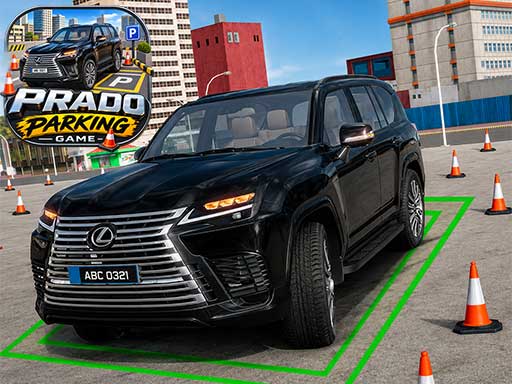
Prado Parking Game is a precision-driving simulation where control matters more than speed. Open the game while reading, practice one maneuver at a time, and retain only the adjustment that creates a cleaner line. This guide uses visible controls and tested systems rather than claiming hidden shortcuts. Visit Prado Parking Game to compare the guide with the live game, and let Prado Parking Game provide the evidence for each adjustment.
The game identity, instructions, thumbnail, and publisher iframe come from the GameMonetize newest HTML5 publisher feed, which lists Prado Parking Game for distribution to game portals. Prado Parking Game was also loaded into an interactive game screen before publication.
Read the Parking Course
Map the Route Before Moving
Prado Parking Game begins with a full view of cones, barriers, direction changes, and the marked destination. Trace the likely lane from the starting position to the parking zone before touching the accelerator. A route scan reveals where the SUV needs extra turning room and where a straight approach is possible. If the vehicle reaches a corner with no usable angle, the route was committed too early. Prado Parking Game should repeat the opening at walking speed and name each setup point before increasing pace. After that test, Prado Parking Game compares the result with the reference, and Prado Parking Game preserves every control that already works.
Use Fixed Visual References
Prado Parking Game can hide a cone behind the SUV body, so use painted edges, barrier ends, shadows, and distant objects as alignment references. Compare the hood and vehicle sides with those fixed marks instead of reacting only when an obstacle appears beside the door. If the same cone is hit repeatedly, choose a reference that becomes visible several metres earlier. Before another Prado Parking Game run, pause before the hazard, center the reference, and reproduce that position on three attempts. The response lets Prado Parking Game identify the better choice, then Prado Parking Game repeats that choice under the same conditions.
Control Speed and Steering
Brake Before the Turn
Prado Parking Game responds best when speed is reduced before steering begins. Entering fast makes the front travel wide and leaves the rear close to the inside barrier. Release forward input in the approach lane, begin the turn from a stable speed, and accelerate only after the exit opens. If the SUV crosses the outside line, the correction belongs before the corner rather than during it. The practical Prado Parking Game drill is to compare one early release with one late release while keeping the same steering point. Once the result appears, Prado Parking Game records the first difference and Prado Parking Game adjusts only the related input.
Straighten the Wheels on Exit
Prado Parking Game needs a deliberate counter-steer after every large turn. The SUV may look centered while its wheels still point toward a cone, causing a second mistake after the first corner is complete. Use a short opposite input and confirm straight travel before adding speed. If the vehicle drifts across a straight lane, steering remained active for too long. Prado Parking Game can test that cause by choosing to finish a turn, travel one vehicle length slowly, and check whether the body stays parallel. The outcome gives Prado Parking Game a reference before Prado Parking Game changes any other part of the plan.
Build a Reverse-Parking Line
Create Space Before Reversing
Prado Parking Game makes reverse parking easier when the forward setup leaves room for the rear to swing. Drive slightly beyond the target, keep a safe side gap, stop, and only then select the reverse line. Beginning too close forces a sharp angle that the long SUV cannot recover from. If the rear reaches the boundary before the body rotates, increase the original side gap. On the next Prado Parking Game attempt, mark a repeatable stopping point and change that point by one small amount per attempt. A visible change tells Prado Parking Game whether the idea helped, while Prado Parking Game keeps unrelated decisions stable.
Correct in Short Segments
Prado Parking Game does not require one perfect reverse arc. Stop while clearance remains, move forward along the current body angle, straighten, and begin a smaller second reverse. Short segments preserve options and make the effect of each steering input visible. If corrections alternate without improving alignment, return to the last straight position. To make the next Prado Parking Game attempt useful, use a reverse-stop-forward cycle and record which segment actually reduces the angle. Prado Parking Game then compares the new position with the original one, and Prado Parking Game retains the safer result.
Protect Clearance
Track the Rear Wheels
Prado Parking Game turns around the rear-wheel path rather than the front bumper alone. A front corner may clear while the inside rear cuts toward a cone. Leave extra inside space at the beginning of a turn and watch how the body pivots before tightening the line. If contact happens near the rear door, the turn started too close to the inside obstacle. A focused Prado Parking Game response is to repeat the corner from a wider entry while preserving the same low speed. That single action gives Prado Parking Game evidence without hiding the cause, so Prado Parking Game can plan the following attempt.
Treat Cones as Boundaries
Prado Parking Game uses cones to define the valid route, not as decoration that can be brushed aside. Give every cone a visible margin because camera perspective can make a narrow gap appear larger. A conservative lane also leaves room for a late steering correction. If a pass succeeds only from one lucky camera angle, it is not yet a reliable route. Rather than add another guess, Prado Parking Game should add half a vehicle width of clearance and measure whether the next turn still remains possible. The result shows Prado Parking Game which relationship matters and allows Prado Parking Game to discard the weaker option.
Choose and Learn a Vehicle
Learn One SUV First
Prado Parking Game offers vehicle selection, but changing vehicles can also change the driver's visual and steering references. Complete several stages with one SUV before judging another. Learn its wheel response, body length, braking feel, and the point where the camera makes a cone disappear. If a new vehicle immediately creates mistakes, rebuild the reference points before blaming the course. The next Prado Parking Game session begins when the player decides to drive the first easy corner three times and compare turn-in and straightening timing. From there, Prado Parking Game measures the changed result and Prado Parking Game carries one confirmed lesson forward.
Spend Coins With a Purpose
Prado Parking Game shows a coin balance and reward options that can encourage early purchases. A vehicle or unlock is useful when it provides a clear reason to revisit the course, not when it interrupts control practice. Confirm the displayed cost and retain enough attention for the next stage. If progress stalls after a purchase, return to the basic route rather than chasing another unlock. For a controlled Prado Parking Game comparison, set a clean-parking goal before opening the vehicle or reward menu. Prado Parking Game reads the response before continuing, and Prado Parking Game uses that response to choose the next target.
Review Each Attempt
Name the First Driving Error
Prado Parking Game runs can end at the parking zone even though the decisive mistake happened two corners earlier. Identify the first lost angle, excessive speed, hidden cone, or missed counter-steer. That cause gives the next attempt one useful change. If several inputs are changed together, the next result cannot explain which change worked. The safest Prado Parking Game experiment is to replay the route with the same pace and alter only the first documented error. When that experiment ends, Prado Parking Game names the first improvement and Prado Parking Game keeps the rest of the route unchanged.
Create a Reference Run
Prado Parking Game becomes repeatable after one calm completion is treated as the baseline. Remember the stopping points, steering starts, and correction locations from that run. Faster attempts should remove unnecessary pauses without changing every successful line. If speed removes the margin at a known corner, restore the reference timing there. To finish this Prado Parking Game review, complete one controlled run before any time-focused or coin-focused session. Prado Parking Game checks whether the result can be repeated, then Prado Parking Game turns the successful sequence into the new baseline.
Decision Review
Check One Decision at a Time
- For the Map the Route Before Moving step, Prado Parking Game predicts one result; Prado Parking Game acts once; Prado Parking Game records the change. Prado Parking Game gains a clear reference.
- Prado Parking Game enters the Use Fixed Visual References step from a baseline; Prado Parking Game changes one input; Prado Parking Game compares the outcome. Prado Parking Game removes one uncertainty.
- During the Brake Before the Turn step, Prado Parking Game protects the working plan; Prado Parking Game isolates the risk; Prado Parking Game keeps the safer answer. Prado Parking Game protects the next attempt.
- A practice attempt for Straighten the Wheels on Exit lets Prado Parking Game pause before acting; Prado Parking Game observes the response; Prado Parking Game retains useful evidence. Prado Parking Game turns feedback into a plan.
- With the Create Space Before Reversing decision, Prado Parking Game names the goal first; Prado Parking Game avoids extra changes; Prado Parking Game measures only that choice. Prado Parking Game keeps progress measurable.
- Prado Parking Game treats the Correct in Short Segments step as a short drill; Prado Parking Game repeats the setup; Prado Parking Game checks whether the result holds. Prado Parking Game finishes with evidence.
- Before the Track the Rear Wheels drill, Prado Parking Game preserves a reference; after the test, Prado Parking Game finds the first difference and Prado Parking Game explains it.
- The review of Treat Cones as Boundaries asks Prado Parking Game for one visible signal; Prado Parking Game waits for it; Prado Parking Game rejects unsupported guesses.
- On the Learn One SUV First drill, Prado Parking Game uses the calm route first; Prado Parking Game adds pressure later; Prado Parking Game compares both attempts.
- Prado Parking Game begins the Spend Coins With a Purpose review with a clear target; Prado Parking Game stops after one test; Prado Parking Game carries the finding forward.
- A stable setup for Name the First Driving Error gives Prado Parking Game a fair comparison; Prado Parking Game reads the change; Prado Parking Game updates the plan.
- To finish the Create a Reference Run review, Prado Parking Game repeats the successful choice; Prado Parking Game verifies the pattern; Prado Parking Game makes it the reference.
Next Session Checklist
Make One Measurable Change
Start Prado Parking Game with Map the Route Before Moving, preserve the decisions that already work, and change only the choice connected to the first failure. Compare the visible result, then finish with Create a Reference Run. This gives Prado Parking Game a dependable racing learning loop. Return to Prado Parking Game with the next goal, then let Prado Parking Game provide evidence for one following change.