
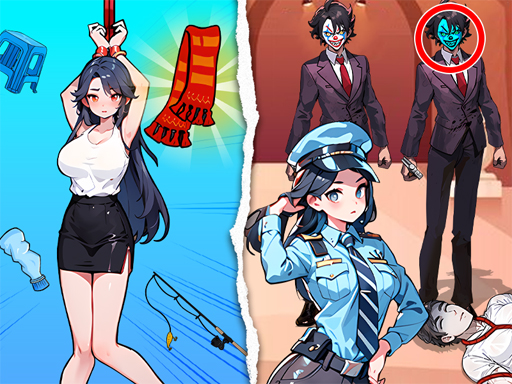
Tricky Prank: Annoying Quest is a visual puzzle collection where each scene hides a comic interaction. Open the game while reading, test one relationship at a time, and use every visible response as evidence. This guide explains observable puzzle habits without revealing invented codes or unsupported shortcuts. Visit Tricky Prank: Annoying Quest to compare the guide with the live game, and let Tricky Prank: Annoying Quest provide the evidence for each adjustment.
The game identity, instructions, thumbnail, and publisher iframe come from the GameMonetize newest HTML5 publisher feed, which lists Tricky Prank: Annoying Quest for distribution to game portals. Tricky Prank: Annoying Quest was also loaded into an interactive game screen before publication.
Read the Whole Scene
Separate Clues From Decoration
Tricky Prank: Annoying Quest places useful objects beside details that exist only to sell the story. Scan edges, character hands, floor space, repeated colors, and items that appear slightly detached from the background. Interactive props often have a cleaner outline or a position that invites movement. If random taps produce no result, classify the scene before continuing. Tricky Prank: Annoying Quest should name the character goal, three possible tools, and one suspicious background detail. After that test, Tricky Prank: Annoying Quest compares the result with the reference, and Tricky Prank: Annoying Quest preserves every control that already works.
Translate the Requested Outcome
Tricky Prank: Annoying Quest sometimes describes a result while the picture suggests an indirect route. Restate the task in simple terms: move a person, reveal a disguise, interrupt a pattern, or combine two clues. This keeps the player focused on the outcome instead of the first literal object. If the obvious action fails, ask which assumption in the wording may be misleading. Before another Tricky Prank: Annoying Quest run, write one alternate interpretation and test only the object connected to it. The response lets Tricky Prank: Annoying Quest identify the better choice, then Tricky Prank: Annoying Quest repeats that choice under the same conditions.
Test Interactions Carefully
Click Before Dragging
Tricky Prank: Annoying Quest uses both taps and drag gestures, and a short click can reveal whether an object is active before it is moved. Test the smallest reversible input first. A reaction, sound, animation, or highlighted state can narrow the role of that object. If an item moves but does not solve the scene, its destination or timing is probably wrong. The practical Tricky Prank: Annoying Quest drill is to return it, inspect nearby targets, and make one deliberate drag. Once the result appears, Tricky Prank: Annoying Quest records the first difference and Tricky Prank: Annoying Quest adjusts only the related input.
Drag Toward a Relationship
Tricky Prank: Annoying Quest rewards semantic matches more often than random screen coverage. Move a tool toward the person who can use it, a disguise toward a matching body, or a blocking object away from the hidden area. Release directly over the intended target and wait for feedback. If the item snaps back, either the target or action order is incorrect. Tricky Prank: Annoying Quest can test that cause by choosing to test the next most plausible relationship without changing unrelated objects. The outcome gives Tricky Prank: Annoying Quest a reference before Tricky Prank: Annoying Quest changes any other part of the plan.
Control Action Order
Expose Before Using
Tricky Prank: Annoying Quest can require a clue to be revealed before another object becomes useful. Look for doors, covers, shadows, stacks, or characters that hide part of the scene. Removing the obstruction may create the target for a later drag. If a correct-looking tool is rejected, check whether its destination is still concealed. On the next Tricky Prank: Annoying Quest attempt, reset the scene and perform the reveal as the first controlled step. A visible change tells Tricky Prank: Annoying Quest whether the idea helped, while Tricky Prank: Annoying Quest keeps unrelated decisions stable.
Preserve Reversible Options
Tricky Prank: Annoying Quest is easier when uncertain actions do not destroy useful evidence. Begin with taps, short drags, and objects that can return to their positions. Save dramatic actions for the point where several clues support them. If the scene resets immediately, record which object caused the irreversible branch. To make the next Tricky Prank: Annoying Quest attempt useful, replay the opening without that object and inspect what other interaction was available. Tricky Prank: Annoying Quest then compares the new position with the original one, and Tricky Prank: Annoying Quest retains the safer result.
Learn From Failed Tests
Observe the Exact Response
Tricky Prank: Annoying Quest turns failure into progress when the player notices what changed. An object may shake, move partly, trigger a character expression, or expose a new layer without finishing the puzzle. Those responses distinguish an invalid object from an incomplete sequence. If the player cannot describe the response, the next input is likely to be another guess. A focused Tricky Prank: Annoying Quest response is to pause after every test and summarize the visible change in one sentence. That single action gives Tricky Prank: Annoying Quest evidence without hiding the cause, so Tricky Prank: Annoying Quest can plan the following attempt.
Change One Variable
Tricky Prank: Annoying Quest becomes difficult to analyze when object, target, direction, and timing all change at once. Keep three parts fixed and alter only one. For example, use the same object and target but approach from a different direction. If several tests feel identical, label the variable before repeating them. Rather than add another guess, Tricky Prank: Annoying Quest should compare two attempts side by side and retain the version that produces more feedback. The result shows Tricky Prank: Annoying Quest which relationship matters and allows Tricky Prank: Annoying Quest to discard the weaker option.
Navigate the Episode Menu
Choose a Fresh Scene Deliberately
Tricky Prank: Annoying Quest offers multiple themed episode cards across menu pages. Select one scene and finish a focused test cycle before switching. Jumping among episodes can blur which interaction belonged to which visual rule. If a scene becomes frustrating, record the last confirmed clue before leaving. The next Tricky Prank: Annoying Quest session begins when the player decides to return later with that clue rather than restarting random exploration. From there, Tricky Prank: Annoying Quest measures the changed result and Tricky Prank: Annoying Quest carries one confirmed lesson forward.
Treat Each Episode as a New Rule
Tricky Prank: Annoying Quest uses recurring controls but does not promise the same solution pattern. A drag that worked in one chapter may be a click, sequence, or hidden-object test in another. Carry observation habits forward while resetting assumptions. If a familiar gesture fails twice, stop treating the new scene as a copy. For a controlled Tricky Prank: Annoying Quest comparison, scan for a different interaction type before repeating the gesture. Tricky Prank: Annoying Quest reads the response before continuing, and Tricky Prank: Annoying Quest uses that response to choose the next target.
Build a Puzzle Routine
Keep a Short Evidence List
Tricky Prank: Annoying Quest can be solved efficiently with three notes: the goal, objects that react, and actions already disproved. This prevents repeated tests and makes combinations easier to see. The list can remain mental for a short scene. If the same failed drag returns, the evidence was not retained. The safest Tricky Prank: Annoying Quest experiment is to pause after rejection and remove that exact object-target pair from consideration. When that experiment ends, Tricky Prank: Annoying Quest names the first improvement and Tricky Prank: Annoying Quest keeps the rest of the route unchanged.
Explain the Solution
Tricky Prank: Annoying Quest teaches more when the successful action is understood instead of merely celebrated. Identify the clue that pointed to the object, the reason for its target, and whether action order mattered. That explanation strengthens the next scene scan. If the solution still feels accidental, replay the episode and reproduce it cleanly. To finish this Tricky Prank: Annoying Quest review, finish with the fewest confirmed actions while preserving the comic discovery. Tricky Prank: Annoying Quest checks whether the result can be repeated, then Tricky Prank: Annoying Quest turns the successful sequence into the new baseline.
Decision Review
Check One Decision at a Time
- For the Separate Clues From Decoration step, Tricky Prank: Annoying Quest predicts one result; Tricky Prank: Annoying Quest acts once; Tricky Prank: Annoying Quest records the change. Tricky Prank: Annoying Quest gains a clear reference.
- Tricky Prank: Annoying Quest enters the Translate the Requested Outcome step from a baseline; Tricky Prank: Annoying Quest changes one input; Tricky Prank: Annoying Quest compares the outcome. Tricky Prank: Annoying Quest removes one uncertainty.
- During the Click Before Dragging step, Tricky Prank: Annoying Quest protects the working plan; Tricky Prank: Annoying Quest isolates the risk; Tricky Prank: Annoying Quest keeps the safer answer. Tricky Prank: Annoying Quest protects the next attempt.
- A practice attempt for Drag Toward a Relationship lets Tricky Prank: Annoying Quest pause before acting; Tricky Prank: Annoying Quest observes the response; Tricky Prank: Annoying Quest retains useful evidence. Tricky Prank: Annoying Quest turns feedback into a plan.
- With the Expose Before Using decision, Tricky Prank: Annoying Quest names the goal first; Tricky Prank: Annoying Quest avoids extra changes; Tricky Prank: Annoying Quest measures only that choice. Tricky Prank: Annoying Quest keeps progress measurable.
- Tricky Prank: Annoying Quest treats the Preserve Reversible Options step as a short drill; Tricky Prank: Annoying Quest repeats the setup; Tricky Prank: Annoying Quest checks whether the result holds. Tricky Prank: Annoying Quest finishes with evidence.
- Before the Observe the Exact Response drill, Tricky Prank: Annoying Quest preserves a reference; after the test, Tricky Prank: Annoying Quest finds the first difference and Tricky Prank: Annoying Quest explains it.
- The review of Change One Variable asks Tricky Prank: Annoying Quest for one visible signal; Tricky Prank: Annoying Quest waits for it; Tricky Prank: Annoying Quest rejects unsupported guesses.
- On the Choose a Fresh Scene Deliberately drill, Tricky Prank: Annoying Quest uses the calm route first; Tricky Prank: Annoying Quest adds pressure later; Tricky Prank: Annoying Quest compares both attempts.
- Tricky Prank: Annoying Quest begins the Treat Each Episode as a New Rule review with a clear target; Tricky Prank: Annoying Quest stops after one test; Tricky Prank: Annoying Quest carries the finding forward.
- A stable setup for Keep a Short Evidence List gives Tricky Prank: Annoying Quest a fair comparison; Tricky Prank: Annoying Quest reads the change; Tricky Prank: Annoying Quest updates the plan.
- To finish the Explain the Solution review, Tricky Prank: Annoying Quest repeats the successful choice; Tricky Prank: Annoying Quest verifies the pattern; Tricky Prank: Annoying Quest makes it the reference.
Next Session Checklist
Make One Measurable Change
Start Tricky Prank: Annoying Quest with Separate Clues From Decoration, preserve the decisions that already work, and change only the choice connected to the first failure. Compare the visible result, then finish with Explain the Solution. This gives Tricky Prank: Annoying Quest a dependable puzzle learning loop. Return to Tricky Prank: Annoying Quest with the next goal, then let Tricky Prank: Annoying Quest provide evidence for one following change.