Bus & Subway Rush
Loading game...
About This Game
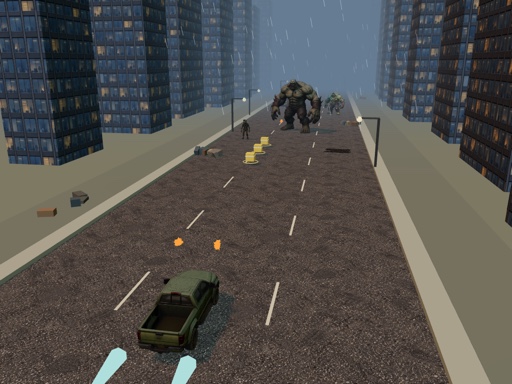
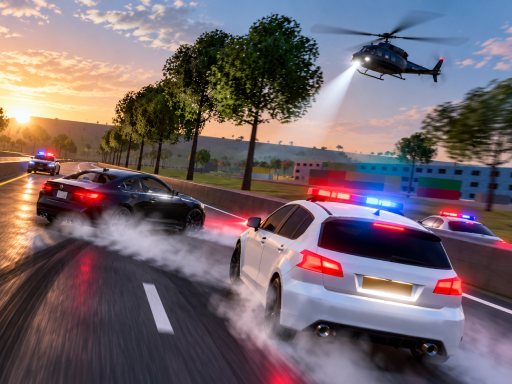
Bus & Subway Rush is a verified racing browser game selected from the GameMonetize HTML5 publisher feed. Race through a busy city as you follow the bus and subway route. Dodge obstacles, switch lanes, collect rewards, and keep moving through the streets in this fast-paced runner. In Bus & Subway Rush, the first session should identify the objective, the earliest pressure point, and the safest response before speed becomes the priority. The listed tags—bus, running, subway, Traffic, transport—help describe the visible play context, while the live Bus & Subway Rush build remains the final source for changing rules. Treat each Bus & Subway Rush reset as evidence: preserve the stable opening, isolate the first uncertain decision, and compare the next result at the same checkpoint.
Bus & Subway Rush: Core objective
Bus & Subway Rush makes “Core objective” practical through a visible fact: The verified tags are bus, running, subway, Traffic, transport. In Bus & Subway Rush, the useful response is to pause at the first state change and name what became safer or more dangerous. Consistency comes from preserving proven steps while isolating the new test. The verified control context also matters: Dodge obstacles, switch lanes, collect rewards, and keep moving through the streets in this fast-paced runner. Use Bus & Subway Rush to test braking point, then record braking point at the same checkpoint. A strong Bus & Subway Rush attempt protects the known route, changes one decision, and leaves enough space to recover if the new choice fails.
Bus & Subway Rush: Verified play loop
Bus & Subway Rush makes “Verified play loop” practical through a visible fact: Race through a busy city as you follow the bus and subway route. In Bus & Subway Rush, the useful response is to repeat the same opening twice before adding speed, risk, or an optional reward. The next input should answer one specific question about the current state. The verified control context also matters: Race through a busy city as you follow the bus and subway route. Use Bus & Subway Rush to test boost window, then record boost window at the same checkpoint. A strong Bus & Subway Rush attempt protects the known route, changes one decision, and leaves enough space to recover if the new choice fails.
Bus & Subway Rush: Progress signals
Bus & Subway Rush makes “Progress signals” practical through a visible fact: The verified tags are bus, running, subway, Traffic, transport. In Bus & Subway Rush, the useful response is to compare the earliest mistake with the decision immediately before it. A controlled comparison makes the useful choice easier to repeat. The verified control context also matters: Dodge obstacles, switch lanes, collect rewards, and keep moving through the streets in this fast-paced runner. Use Bus & Subway Rush to test braking point, then record braking point at the same checkpoint. A strong Bus & Subway Rush attempt protects the known route, changes one decision, and leaves enough space to recover if the new choice fails.
How to Play
Start Bus & Subway Rush with the verified instructions: Keyboard W A S D or arrow keys to move and steer Touch and swipe controls are supported on mobile devices During the first Bus & Subway Rush attempt, use conservative inputs and observe how the screen confirms success, danger, rewards, and failure. Repeat a known opening before adding a faster line. If Bus & Subway Rush offers upgrades or optional pickups, choose one that addresses the measured weakness rather than spending automatically. After a failed Bus & Subway Rush run, identify the earliest incorrect read, change only that response, and retest under similar conditions. This makes Bus & Subway Rush practice explainable instead of random.
Bus & Subway Rush: Safe first attempt
Bus & Subway Rush makes “Safe first attempt” practical through a visible fact: Race through a busy city as you follow the bus and subway route. In Bus & Subway Rush, the useful response is to pause at the first state change and name what became safer or more dangerous. Treat that observation as evidence rather than a reason to rush. The verified control context also matters: Keyboard W A S D or arrow keys to move and steer Touch and swipe controls are supported on mobile Use Bus & Subway Rush to test exit speed, then record boost window at the same checkpoint. A strong Bus & Subway Rush attempt protects the known route, changes one decision, and leaves enough space to recover if the new choice fails.
Bus & Subway Rush: Category technique
Bus & Subway Rush makes “Category technique” practical through a visible fact: Dodge obstacles, switch lanes, collect rewards, and keep moving through the streets in this fast-paced runner. In Bus & Subway Rush, the useful response is to repeat the same opening twice before adding speed, risk, or an optional reward. The reliable route is the route that remains understandable after a mistake. The verified control context also matters: Keyboard W A S D or arrow keys to move and steer Touch and swipe controls are supported on mobile Use Bus & Subway Rush to test clean racing line, then record exit speed at the same checkpoint. A strong Bus & Subway Rush attempt protects the known route, changes one decision, and leaves enough space to recover if the new choice fails.
Bus & Subway Rush: Failure review
Bus & Subway Rush makes “Failure review” practical through a visible fact: Keyboard W A S D or arrow keys to move and steer Touch and swipe controls are supported on mobile devices In Bus & Subway Rush, the useful response is to compare the earliest mistake with the decision immediately before it. The next input should answer one specific question about the current state. The verified control context also matters: Dodge obstacles, switch lanes, collect rewards, and keep moving through the streets in this fast-paced runner. Use Bus & Subway Rush to test boost window, then record clean racing line at the same checkpoint. A strong Bus & Subway Rush attempt protects the known route, changes one decision, and leaves enough space to recover if the new choice fails.
Controls
Bus & Subway Rush uses these source-listed controls: Keyboard W A S D or arrow keys to move and steer Touch and swipe controls are supported on mobile devices Click or tap inside the Bus & Subway Rush frame before relying on keyboard input, and confirm one safe action first. Use short inputs until movement, aiming, selection, or timing feels predictable. If Bus & Subway Rush stops responding, restore iframe focus before restarting. On mobile, keep important on-screen controls visible and avoid covering feedback with the active hand. The reliable Bus & Subway Rush control sequence is focus, test, observe, correct, and only then increase speed. - Bus & Subway Rush: Bus & Subway Rush objective; Bus & Subway Rush control; Bus & Subway Rush recovery. - Bus & Subway Rush: Bus & Subway Rush objective; Bus & Subway Rush control; Bus & Subway Rush recovery. - Bus & Subway Rush: Bus & Subway Rush objective; Bus & Subway Rush control; Bus & Subway Rush recovery. - Bus & Subway Rush: Bus & Subway Rush objective; Bus & Subway Rush control; Bus & Subway Rush recovery. - Bus & Subway Rush: Bus & Subway Rush objective; Bus & Subway Rush control; Bus & Subway Rush recovery.
Bus & Subway Rush: Input setup
Bus & Subway Rush makes “Input setup” practical through a visible fact: Keyboard W A S D or arrow keys to move and steer Touch and swipe controls are supported on mobile devices In Bus & Subway Rush, the useful response is to pause at the first state change and name what became safer or more dangerous. Measure the result at the same point before changing another variable. The verified control context also matters: Keyboard W A S D or arrow keys to move and steer Touch and swipe controls are supported on mobile Use Bus & Subway Rush to test boost window, then record exit speed at the same checkpoint. A strong Bus & Subway Rush attempt protects the known route, changes one decision, and leaves enough space to recover if the new choice fails.
Bus & Subway Rush: Precision habits
Bus & Subway Rush makes “Precision habits” practical through a visible fact: The verified tags are bus, running, subway, Traffic, transport. In Bus & Subway Rush, the useful response is to repeat the same opening twice before adding speed, risk, or an optional reward. Consistency comes from preserving proven steps while isolating the new test. The verified control context also matters: Race through a busy city as you follow the bus and subway route. Use Bus & Subway Rush to test exit speed, then record braking point at the same checkpoint. A strong Bus & Subway Rush attempt protects the known route, changes one decision, and leaves enough space to recover if the new choice fails.
Bus & Subway Rush: Recovery inputs
Bus & Subway Rush makes “Recovery inputs” practical through a visible fact: The verified tags are bus, running, subway, Traffic, transport. In Bus & Subway Rush, the useful response is to compare the earliest mistake with the decision immediately before it. Measure the result at the same point before changing another variable. The verified control context also matters: The verified tags are bus, running, subway, Traffic, transport. Use Bus & Subway Rush to test braking point, then record clean racing line at the same checkpoint. A strong Bus & Subway Rush attempt protects the known route, changes one decision, and leaves enough space to recover if the new choice fails.