Monster Chef
Loading game...
About This Game
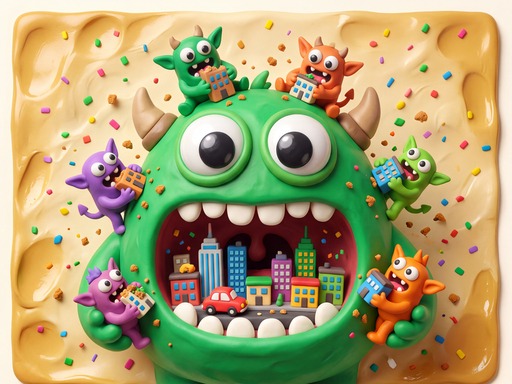
Monster Chef is a fast-paced cooking and restaurant game populated by funny robot monsters. The player works in the kitchen as a monster chef and must keep pace with ingredients that move through the workspace, active cooking machines, and hungry robotic customers waiting for service. Its focus is on quick decisions and busy cooking tasks rather than a slow preparation routine. Easy interaction makes the lively kitchen approachable, while the constant restaurant activity provides the management pressure. The game combines elements of simulation, casual play, cooking, and management in a two-dimensional presentation. It is aimed at players who enjoy responding rapidly to a changing kitchen and keeping several visible parts of food service moving together. Monster Chef is a free hypercasual browser game published by GameMonetize Publisher. Monster Chef opens directly in the game frame, so a useful first session can focus on the objective instead of installation or account setup. Treat the opening round of Monster Chef as reconnaissance: identify the goal, watch how the screen reports success or danger, and learn which decision creates a safe recovery. The tags 2D, Cooking, Management, Robot describe the broad style, but the clearest way to understand Monster Chef is to test one input at a time and observe the result. The core improvement loop in Monster Chef is observe, choose, act, and review. Begin with a route that leaves room to correct a mistake. When Monster Chef introduces speed, enemies, limited space, timers, upgrades, or score pressure, protect consistency before chasing the largest reward. A controlled attempt reveals more than a rushed one because every Monster Chef failure then points to a specific timing, position, target, or resource decision. Repeat the safe portion, change one uncertain choice, and compare the outcome. This turns Monster Chef from an unfamiliar screen into a readable sequence. Short sessions work well in Monster Chef, but deliberate practice gives the game lasting depth. Set one goal for each run: reach a new section, keep a cleaner line, preserve a resource, improve a combo, or recover from one known hazard. Monster Chef becomes easier to learn when progress has a concrete measure. Keep successful opening decisions, pause before unfamiliar situations, and avoid changing several habits after the same loss. With that routine, Monster Chef rewards attention as much as reaction speed and gives both desktop and touch players a dependable path forward.
Monster Chef experience
Monster Chef is a focused hypercasual browser game for players who want a fast start and a reason to replay. Every attempt teaches a useful lesson about timing, movement, route choice, and recovery. Because Monster Chef runs directly in the browser, you can begin without an installation or account. Use the first rounds as scouting runs, then turn what you observe into calmer and more consistent decisions.
Monster Chef progression loop
Improvement in Monster Chef begins with a stable loop rather than a spectacular move. Watch how goals, hazards, scoring chances, and recovery windows appear, then repeat a route you can control. Once that foundation feels natural, test one faster or riskier choice at a time. This method makes progress measurable and keeps a single mistake from hiding what actually works.
Monster Chef player focus
Monster Chef suits quick breaks, yet its clear rules also reward longer practice. After a failed run, identify one cause such as a late input, unsafe line, rushed decision, missed pattern, or poor resource choice. Return with one correction in mind instead of restarting blindly. A small, specific goal makes the next attempt more useful and gradually turns pressure into a readable pattern.
How to Play
Tap to play Start Monster Chef with the translated on-screen prompts visible and the game frame focused. In Monster Chef, first confirm the immediate objective, the main action, the loss condition, and the safest place to pause. Make a conservative opening input and wait long enough to see the full response. If Monster Chef uses movement, keep an escape lane; if it uses matching or placement, preserve open space; if it uses combat, choose a target before committing; and if it uses racing, read the next turn before adding speed. These habits create a stable baseline for every Monster Chef mode. Build a repeatable Monster Chef route in small steps. Repeat the opening until it no longer consumes attention, then study the first difficult decision. Change only one variable—timing, direction, target order, upgrade, or risk level—and test it again. If the result improves, keep that Monster Chef adjustment; if it creates a new problem, return to the reliable route. Rewards and upgrades should solve an observed weakness rather than distract from it. A measured Monster Chef plan is easier to reproduce than a lucky clear. After a failed Monster Chef attempt, name the earliest mistake instead of the final symptom. A late collision may begin with an unsafe line, a crowded board may begin with one poor placement, and a missed target may begin with rushed aim. Restart Monster Chef with one correction while the evidence is fresh. Protect progress first, regain rhythm second, and pursue bonus points third. This review cycle makes every Monster Chef restart useful and helps the player improve without depending on random outcomes.
Start Monster Chef safely
Begin Monster Chef with a conservative attempt. Learn the screen layout, the first objective, the earliest danger, and the safest recovery option before pushing for speed. A controlled opening gives you time to understand feedback and prevents avoidable resets. When the first section becomes automatic, increase the pace gradually while protecting the reliable choices that carried you there.
Build a repeatable Monster Chef route
A dependable Monster Chef route needs a reliable opening, a clear response to danger, and a fallback when the ideal move fails. Change only one part of the route at a time, test it over several attempts, and keep it only when the result improves. This simple review process reduces guesswork and lets good decisions become habits even when the screen grows busy.
Improve Monster Chef results
Better results in Monster Chef come from cleaner attempts, not speed alone. Find the moment where runs usually break down and practice the decisions immediately before it. If the game offers upgrades, rewards, or alternate paths, choose the option that addresses your current weakness. Treat each restart as useful evidence, then apply that evidence to the next run while it is still fresh.
Controls
Monster Chef input basics
Tap to play and use the tap interactions presented by the game. The source instructions provide only that single control direction and do not identify keyboard keys, gestures, or specific tap targets. Follow the visible in-game prompts when ingredients, machines, or customers require interaction. Give the Monster Chef iframe focus before using keyboard controls, and keep pointer or touch inputs inside the play area. Use short inputs until the response speed of Monster Chef feels predictable. Avoid holding a direction or action through an unreadable transition. If Monster Chef displays device-specific buttons, follow those labels because they reflect the current mode. Pause when possible before changing settings, and resume only after both the objective and the next safe action are clear. Use this Monster Chef control and strategy checklist: Monster Chef checks the objective; Monster Chef reads the opening; Monster Chef tests one input; Monster Chef keeps a safe route; Monster Chef protects open space; Monster Chef watches the next hazard; Monster Chef chooses a target; Monster Chef controls the pace; Monster Chef uses short inputs; Monster Chef avoids blind holds; Monster Chef confirms each response; Monster Chef saves useful resources; Monster Chef times rewards carefully; Monster Chef keeps a fallback; Monster Chef corrects one error; Monster Chef regains the rhythm; Monster Chef repeats safe moves; Monster Chef changes one variable; Monster Chef compares the result; Monster Chef learns the first failure; Monster Chef plans the next attempt; Monster Chef keeps the frame focused; Monster Chef uses visible prompts; Monster Chef checks touch buttons; Monster Chef pauses before settings; Monster Chef returns with a goal; Monster Chef values consistency; Monster Chef builds reliable timing; Monster Chef finishes the route; Monster Chef reviews the run; Monster Chef scans before moving; Monster Chef protects the opening; Monster Chef reads the next signal; Monster Chef keeps inputs deliberate; Monster Chef checks the safe exit; Monster Chef uses recovery space; Monster Chef delays needless risk; Monster Chef selects rewards calmly; Monster Chef tracks the main goal; Monster Chef avoids repeated errors; Monster Chef replays proven steps; Monster Chef adjusts one timing; Monster Chef preserves a backup; Monster Chef confirms the route; Monster Chef maintains clear focus; Monster Chef learns each pattern; Monster Chef uses evidence; Monster Chef stays patient; Monster Chef completes the objective; Monster Chef sets the next goal; Monster Chef checks final progress; Monster Chef keeps a calm rhythm; Monster Chef records the lesson. Follow that order when Monster Chef becomes busy: control first, recovery second, and speed or score only after the route is stable.
Monster Chef control habits
Keep every input in Monster Chef deliberate. Many errors begin with pressing too early, holding too long, or changing direction before reading the next obstacle. Use shorter inputs until the response feels predictable, then add speed without sacrificing accuracy. On keyboard and mouse, keep both hands ready for their main actions; on touch screens, choose a comfortable grip before attempting difficult sections.
Monster Chef recovery controls
Recovery is as important as perfect execution in Monster Chef. When a move goes wrong, make the input that protects the run first, then return to the main route instead of forcing an immediate comeback. Practice a simple sequence: correct safely, regain the rhythm, and continue. This habit prevents one error from becoming a reset and improves consistency during longer sessions.