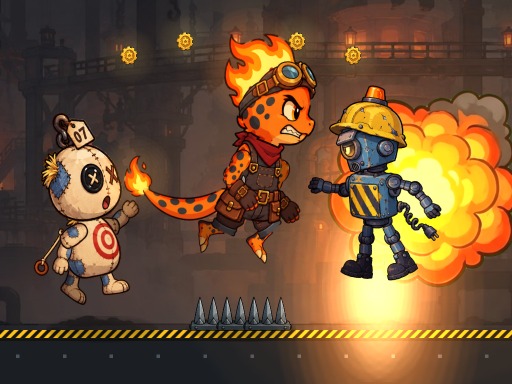
Keep It Straight is the kind of browser game that rewards a clear plan more than random retries. This guide is written for players who want to open Keep It Straight on HeyFun, understand the first useful decisions, and turn short sessions into better results. The focus is chaotic action survival, balance control, weapon timing, and crowd pressure management, but the larger goal is consistency: knowing what to watch, when to slow down, when to push, and how to review a failed run without guessing.
Why This Game Matters Now
Player Promise
The main promise of Keep It Straight is practical improvement inside a short browser session. Keep It Straight gives you immediate feedback, so the best way to improve is to notice why a decision worked instead of only asking whether you won. When you start Keep It Straight, treat the first minute as scouting. Watch the pace, identify the safest action, and decide what one habit you want to improve before chasing a perfect result.
Best Use Case
Keep It Straight is best for players who want a focused loop rather than a long setup. Because Keep It Straight loads quickly on HeyFun, you can practice one idea, review it, and try again. That makes Keep It Straight useful for casual players, but it also gives competitive players a clean way to refine timing, spacing, and decision quality without wasting time in menus.
Core Mechanics and Game Flow
Main Loop
The core loop in Keep It Straight is built around balance, enemy spacing, weapon reach, recovery timing, score growth, and safe attack windows. None of those pieces should be treated in isolation. A good move in Keep It Straight is usually a move that helps the next two moves. If an action looks strong but leaves you with no recovery, it is not really strong. Think of every input as part of a chain.
Decision Points
The first decision point in Keep It Straight is tempo. Playing too slowly can give away pressure, but playing too fast usually creates avoidable mistakes. Use the early phase of Keep It Straight to find the speed at which you still understand the screen. Once your reads are clean, increase pace in small steps. This is how Keep It Straight changes from reaction testing into controlled play.
Beginner Route and First Session Plan
Opening Routine
For your first serious session in Keep It Straight, use this route: keep your stance stable, attack only when enemies enter range, retreat after unstable swings, and learn how each weapon changes your timing. Do not judge the session only by score. Judge whether your next attempt begins with a clearer plan. If Keep It Straight feels chaotic, reduce your goal to one measurable habit, such as safer timing, cleaner positioning, or better recovery after a bad action.
Practice Goals
A strong practice goal for Keep It Straight is to repeat the same situation three times and make one better choice each time. This keeps Keep It Straight from becoming random trial and error. After each attempt, ask what information appeared before the mistake. In most games, the warning sign is visible earlier than the failure, and Keep It Straight rewards players who learn to notice that warning sign.
Advanced Strategy and Consistency
Risk Management
Advanced play in Keep It Straight starts when you stop treating risk as luck. The stronger route is control the center of the fight, use weapons to create breathing room, and stop chasing enemies when balance or spacing is already weak. Risk is not always bad in Keep It Straight, but it should buy something specific: space, tempo, score, position, or safety. If a risky move does not buy one of those things, it is probably style rather than strategy.
Score Growth
Score growth in Keep It Straight comes from consistency before aggression. Many players try to force highlight moments because Keep It Straight makes quick action feel exciting. That is understandable, but reliable progress comes from stacking small correct decisions. Keep the easy decisions easy, save effort for the hard moments, and let your average run improve before demanding a record run.
Common Mistakes and Final Checklist
Mistakes to Avoid
The most common mistake in Keep It Straight is repeating the same opener after it already failed. The second mistake is using a powerful option too early. The third mistake is ignoring recovery. If you make a bad move in Keep It Straight, your next goal is not to instantly fix everything. Your next goal is to lose less from that mistake, regain control, and continue with a smaller but cleaner plan.
Final Checklist
Before leaving Keep It Straight, use this checklist. Did you understand the main loop? Did you know why your best attempt worked? Did you identify one repeatable mistake? Did you keep control when the screen became busy? If the answer is yes, your next session of Keep It Straight will start stronger. Keep It Straight rewards that kind of simple review more than blind repetition.
You can Play Keep It Straight on HeyFun at Keep It Straight. Use the guide as a working note: play Keep It Straight, test one idea, return to the checklist, and then play Keep It Straight again with a clearer target. That cycle is the fastest way to make Keep It Straight feel less random and more skill based.
Session Review and Improvement Plan
Three-Run Review
Use a three-run review whenever Keep It Straight starts to feel inconsistent. In the first run of Keep It Straight, do not chase a personal record; only watch the main pressure point. In the second run of Keep It Straight, repeat the same opening and change one decision. In the third run of Keep It Straight, keep the better decision and raise the pace slightly. This gives Keep It Straight a simple feedback loop that is easier to trust than random retries. The point is not to make Keep It Straight slow. The point is to make every fast choice in Keep It Straight come from a known reason. If a mistake appears twice, write it down mentally as the next target. If a mistake appears only once, do not rebuild your whole plan around it. Strong players in Keep It Straight separate repeated problems from one-off accidents. That habit makes Keep It Straight feel less noisy and gives each short HeyFun session a clear purpose.
When To Stop And Reset
Knowing when to reset is part of improving at Keep It Straight. Stop a run of Keep It Straight when your decisions become emotional, when you stop reading the screen, or when you repeat an action only because it worked once earlier. Resetting Keep It Straight does not mean giving up; it means protecting the quality of the next attempt. Before restarting Keep It Straight, name the next experiment in one sentence. For example: in Keep It Straight, I will delay the risky move until I have more space; in Keep It Straight, I will focus on safer timing; in Keep It Straight, I will recover before forcing progress. This small sentence turns Keep It Straight from a reaction test into deliberate practice. Over time, the best gains in Keep It Straight come from this rhythm: observe, choose, test, review, and repeat. Play Keep It Straight with that rhythm and the game becomes more predictable without becoming less exciting.
Keyword Focus Review
Keep the name Keep It Straight attached to one useful habit. When you say Keep It Straight, think of the first decision that usually decides the run. When you reopen Keep It Straight, repeat that habit before experimenting. If Keep It Straight punishes a rushed action, slow the next attempt. If Keep It Straight rewards pressure, build pressure only after your setup is stable. A clear Keep It Straight routine should be simple enough to remember: read, act, recover, review. The more you connect Keep It Straight with that routine, the easier Keep It Straight becomes to improve without overthinking. Use Keep It Straight as a short practice loop, not a random restart button, and each session of Keep It Straight will have a measurable goal.
Final Practice Cue
Use one final cue before every session: Keep It Straight rewards prepared choices. Keep It Straight improves when you notice patterns. Keep It Straight becomes easier when you protect recovery. Keep It Straight feels faster after you learn control. Keep It Straight should be reviewed after each attempt. Keep It Straight is best practiced with one clear goal. Keep It Straight gives better feedback when you stay patient. Keep It Straight turns repetition into skill when every restart has a reason.
Short Reset Cue
When focus drops, return to the basics: Keep It Straight needs calm reads, Keep It Straight needs clean timing, Keep It Straight needs recovery, Keep It Straight needs one goal, Keep It Straight needs review, and Keep It Straight needs patience before speed.